
Subtotal ₹0.00
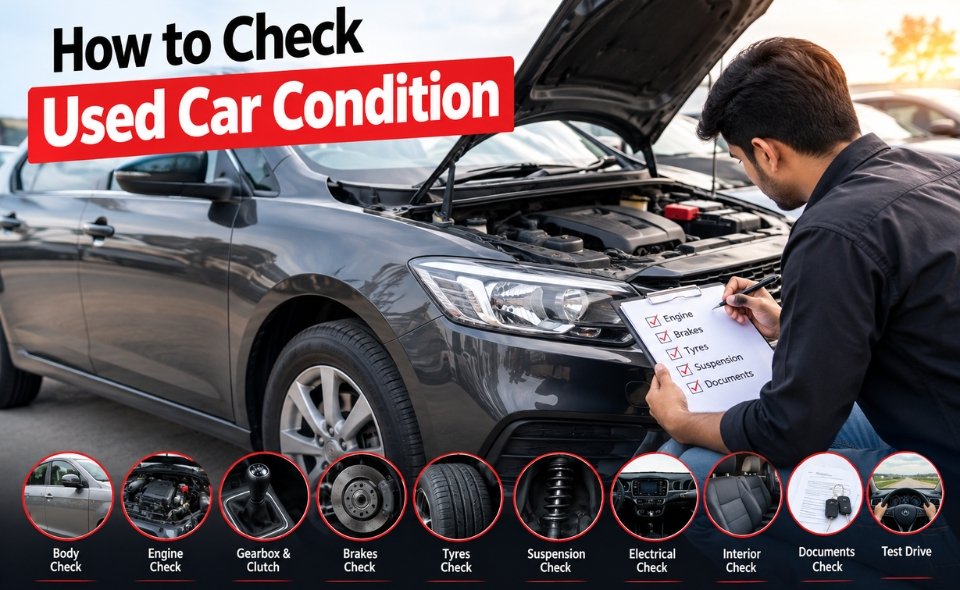
Before buying a used car, it is important to check its overall condition properly. Do not judge the car only by its looks or price. You should check the body, engine, gearbox, clutch, brakes, tyres, suspension, electrical parts, interior, and documents. If the car has been parked for a long time or has not been driven for several months, check it more carefully.
A car that has been sitting for a long time can have problems like a weak battery, low tyre pressure, damaged tyres, old fluids, brake problems, rust, or engine issues. While checking the car, look for oil leakage, unusual engine sounds, smoke, warning lights, uneven tyre wear, rust, different paint shades, and signs of accident or water damage.
Also check the service history and compare the mileage in the service records with the current odometer reading. A proper test drive is also important. Check the steering, brakes, clutch, gearbox, acceleration, suspension, and overall driving condition while driving the car. In this guide, we will explain how to check these parts and how to find common problems before buying a used car.
Used Car Condition Checklist
A used car may look good when it is parked, but you cannot know its real condition just by looking at it. This becomes more important if the car is old, has high kilometres, or has been parked for a long time. Some problems may not be easy to see and can show up only after you start or drive the car.
Before buying, take some time to check the car properly and do not depend only on what the seller tells you. The checklist below will help you check the car step by step and find any possible problems before you make the final decision.
1. Check the Car’s Overall Condition
Start by checking the overall condition of the car. Look at the car carefully in daylight and check for dents, scratches, rust, uneven paint, or colour differences between different panels. Pay attention to the doors, bonnet, boot, roof, bumpers, and fenders.
Different paint shades on nearby panels can sometimes mean that the car was repaired or repainted earlier. Also check the gaps between the body panels. Uneven gaps can sometimes mean that a panel was removed or repaired after an accident. Do not forget to check underneath the car for oil leakage, damage, or signs of rust.
2. Check the Engine Condition
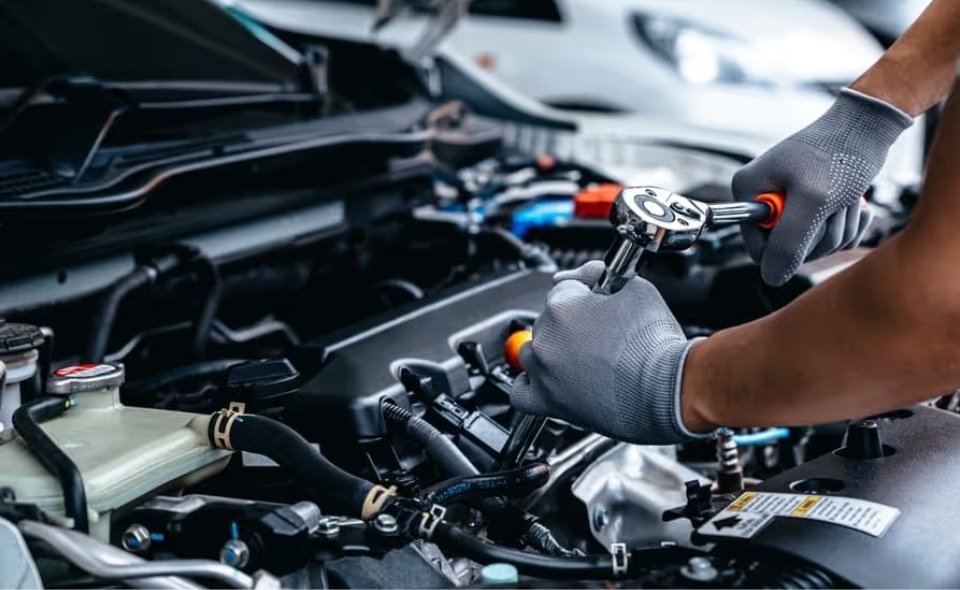
The engine is one of the most important parts of a used car. If possible, check the engine when it is cold. Start the car and listen carefully. Unusual knocking, ticking, or heavy engine noise should be checked by a qualified mechanic. Look around the engine area for oil leakage. Also check the exhaust smoke. Too much smoke, especially when starting the car or while accelerating, can be a warning sign. You should also check the engine oil, coolant, and other important fluids. If you are not comfortable checking these things yourself, it is better to take a mechanic with you.
3. Check the Gearbox, Clutch and Brakes
For a manual car, check whether the clutch feels normal and whether the gears change smoothly. A very hard clutch, unusual noise, or difficulty in changing gears may mean there is a problem. For an automatic car, check whether the gearbox changes gears smoothly without unusual jerks or delays. During the test drive, apply the brakes at different speeds in a safe area.
The car should stop smoothly without strong vibration or pulling to one side. Also check if the clutch slips while accelerating or if the gear lever feels too hard to move. If you notice any burning smell, delay in gear shifting, or unusual sound while changing gears, get the car checked by a mechanic before buying.
4. Inspect the Tyres and Suspension
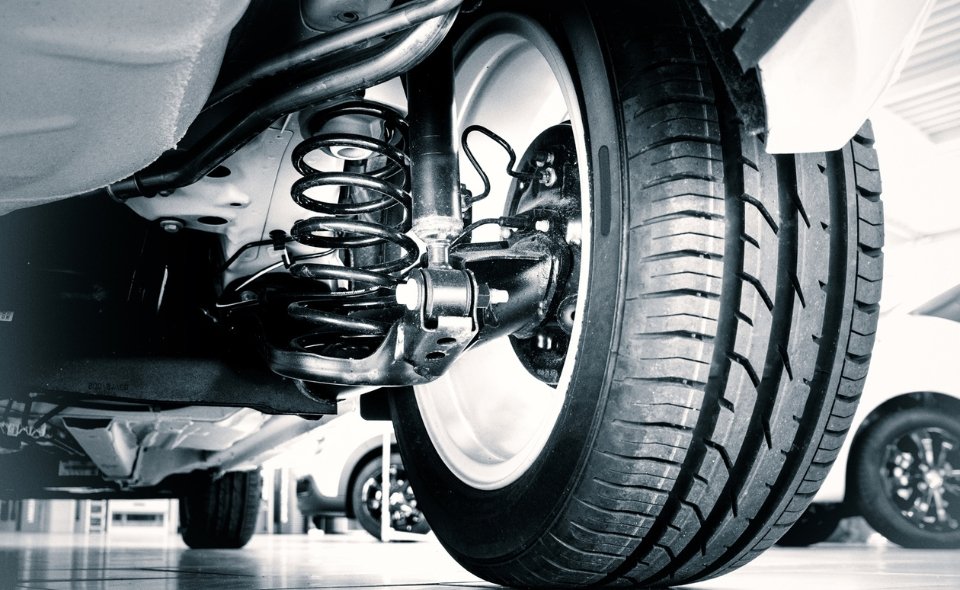
Check all four tyres carefully. Look for uneven tyre wear, cracks, or very low tread. Unequal tyre wear can sometimes be a sign of alignment, suspension, or other mechanical problems. Also drive the car over a few normal bumps at a safe speed. Listen for any unusual sounds from the suspension. A knocking or rattling sound should be checked before buying the car. Remember that replacing four tyres or suspension parts can add a good amount to your expenses after buying the car.
5. Check the Odometer and Service History
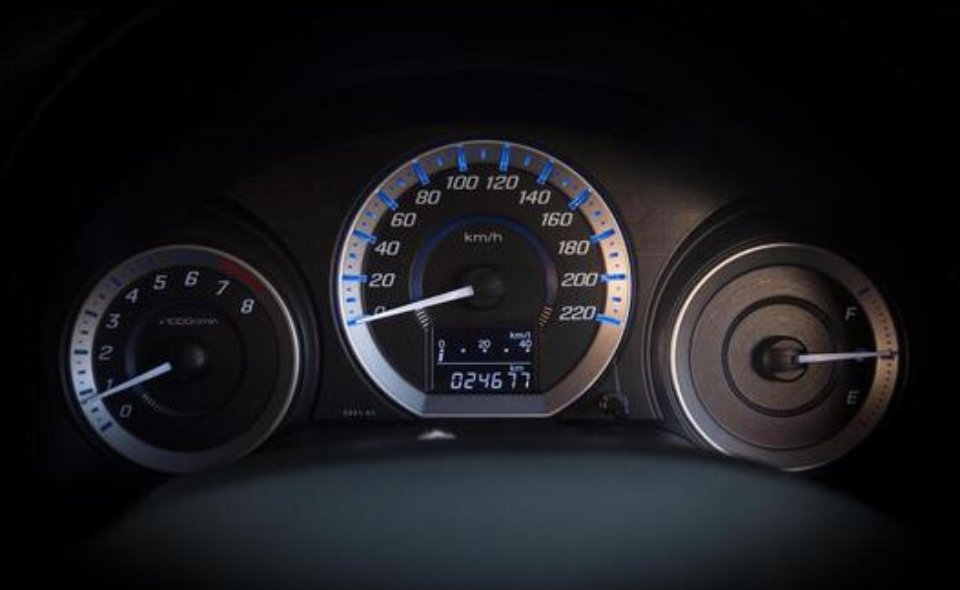
Do not judge a used car only by the kilometres shown on the odometer. Ask the seller for the service history and previous service bills, if available. Compare the kilometres shown in the service records with the current odometer reading to see if the details look correct. A proper service history can help you understand how regularly the car was serviced and what work has already been done. If the car was serviced at an authorised workshop, the available service records can be very useful.
6. Check the RC and Ownership Details
The Registration Certificate, or RC, is one of the most important documents when buying a used car. Check that the registration number, owner’s name, fuel type, engine and chassis details, and other important information match the actual car. Also check the number of previous owners. If the seller says the car is first-owner but the documents show something different, ask for a clear explanation before moving ahead. The ownership transfer should be completed properly after the sale. Do not simply take the car and assume that the transfer will happen automatically.
For official vehicle and RC-related services, you can check the Parivahan VAHAN portal and verify the available vehicle details and services before buying.
7. Check Insurance and PUC
Always check if the car has valid motor insurance and go through the policy details. The insurance should be properly transferred or updated in the new owner’s name after the purchase. The registration and insurance details should also match. Also check the Pollution Under Control (PUC) certificate and make sure it is valid. Do not ignore expired or missing documents just because the car looks good from outside.
For checking the PUC certificate and its validity, you can use the official Parivahan PUC portal before buying the car.
8. Check for Outstanding Loan or Hypothecation
Before buying a used car, check if any loan or hypothecation is still recorded against the vehicle. If the previous owner bought the car on finance, make sure the loan has been properly closed and the required hypothecation removal process has been completed. Ask the seller for the required proof if they say that the loan has already been paid. This simple check can help you avoid document problems later.
9. Check Accident or Flood Damage
A car can sometimes look good even after major repairs, so do not depend only on its outside appearance. Look for different paint shades, replaced panels, uneven body gaps, welding marks, damaged lights, or signs of water inside the cabin. Check under the seats and carpets for unusual moisture, rust, or a bad smell. Electrical problems can also come later in cars that have suffered serious water damage. If you are not sure about the car’s accident history, get an independent inspection before making the final payment.
10. Check the Interior and Electrical Features
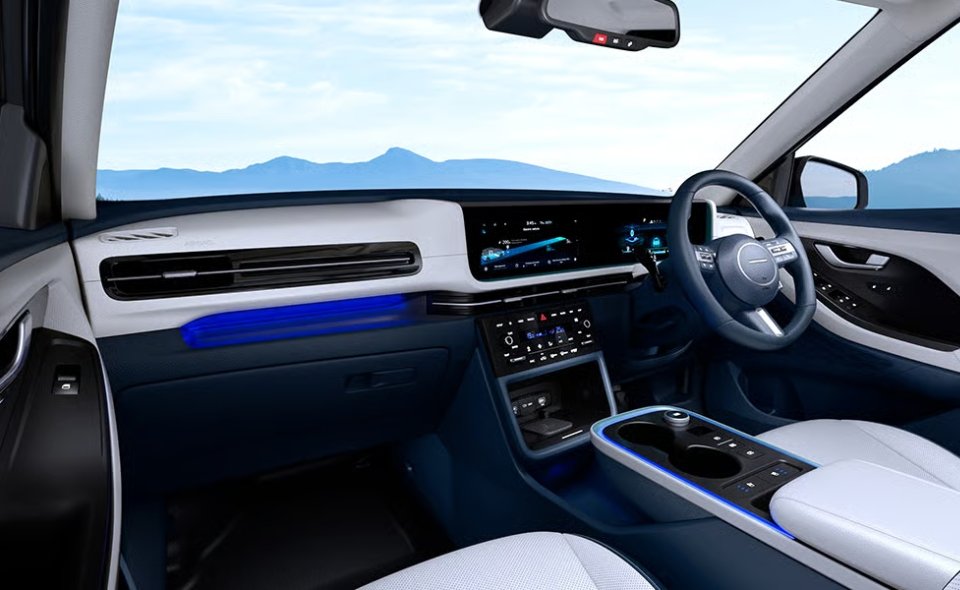
Sit inside the car and check all the main features. Test the air conditioner, power windows, central locking, infotainment system, speakers, headlights, indicators, wipers, horn, reverse camera, parking sensors, and other available features.
Also check the dashboard for warning lights. If any warning light stays on after starting the car, do not ignore it. Check the condition of the seats, steering wheel, pedals, and other areas that are used regularly. If these parts show too much wear compared with the car’s age and claimed mileage, ask the seller about it.
11. Take a Proper Test Drive
Never buy a used car without taking a proper test drive. Drive the car on different types of roads where it is safe and legal to do so. Check the steering, acceleration, braking, clutch, gearbox, suspension, and overall driving comfort. Notice if the car pulls to one side, vibrates at speed, makes unusual sounds, or has difficulty in accelerating. A test drive gives you a better idea of how the car actually feels while driving instead of judging it only when it is parked.
13. Check All Documents Before Making Payment
Before making the final payment, check all the available documents carefully. Make sure the vehicle details, owner’s name, registration number, insurance, and other information match the actual car. Also check that there are no pending loan, ownership, or document-related issues. Complete all the necessary paperwork and ownership transfer steps before considering the purchase fully complete.
Important documents may include:
- Registration Certificate (RC)
- Motor insurance
- Valid PUC
- Service and maintenance records
- Loan or hypothecation clearance, where applicable
- Required ownership-transfer forms
- Seller and buyer identification documents
- Any other documents required for the transfer
Make sure the information in the documents matches the actual vehicle.
Final Thoughts
Buying a used car does not have to be difficult if you check the vehicle properly before making the final decision. Do not rush just because the price is low or the car looks attractive. Take your time to inspect the vehicle, check its documents, review its service history, and take a proper test drive. If possible, get an independent professional inspection before completing the purchase.
The main goal is not just to find a car that looks good, but to make sure it is safe, well-maintained, and suitable for your needs and budget. A proper inspection can also give you more confidence before making the final payment. A few simple checks before buying can help you understand the actual condition of the car and avoid unexpected problems after the purchase.

