
Subtotal ₹0.00
Buying a used car can be a great option if you want a good car at a lower price. Today, you can find many well-maintained used cars with good features, comfortable interiors, and decent performance. But before buying any second-hand car, it is important to check it properly. A car may look clean and attractive from the outside, but there can be problems that are not easy to notice at first. Issues with the engine, documents, accident history, tyres, or service records can cost you a lot of money later.
If you are planning to buy a used car, platforms like Car Deal Karo can help you explore different pre-owned cars and compare your options based on your budget and requirements. However, before choosing any car, you should know what to check and what questions to ask. So, before you finalise a used car, take some time to inspect it, check its documents, and take it for a proper test drive.
In this guide, we will cover 10 important things you should check before buying a used car so you can make a more informed and confident decision.
1. Check the Exterior of the Car
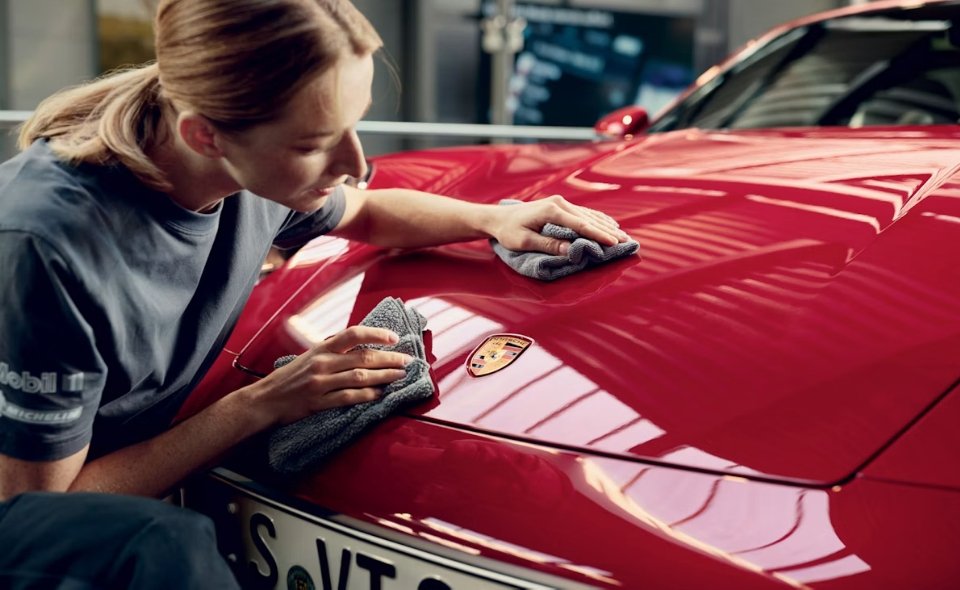
The first thing you will notice is the outside of the car. Do not just check whether the car looks good. Take a close look at the body and check for any signs of damage or repair.
Look at the:
- Doors, bonnet, boot and fenders
- Front and rear bumpers
- Headlights and tail lights
- Windshield and other glass
- Tyres and wheels
- Body panels
- Paint finish
- Signs of rust
Check whether the colour of all the body panels looks the same. If one panel has a slightly different colour, it may have been repainted.
Also look at the gaps between the doors, bonnet, boot and other body panels. Uneven gaps can sometimes be a sign that the car has been repaired after an accident. It is better to check the car during the daytime. Natural light makes it easier to spot dents, scratches, paint differences, and other small issues.
2. Check the Engine and Other Mechanical Parts
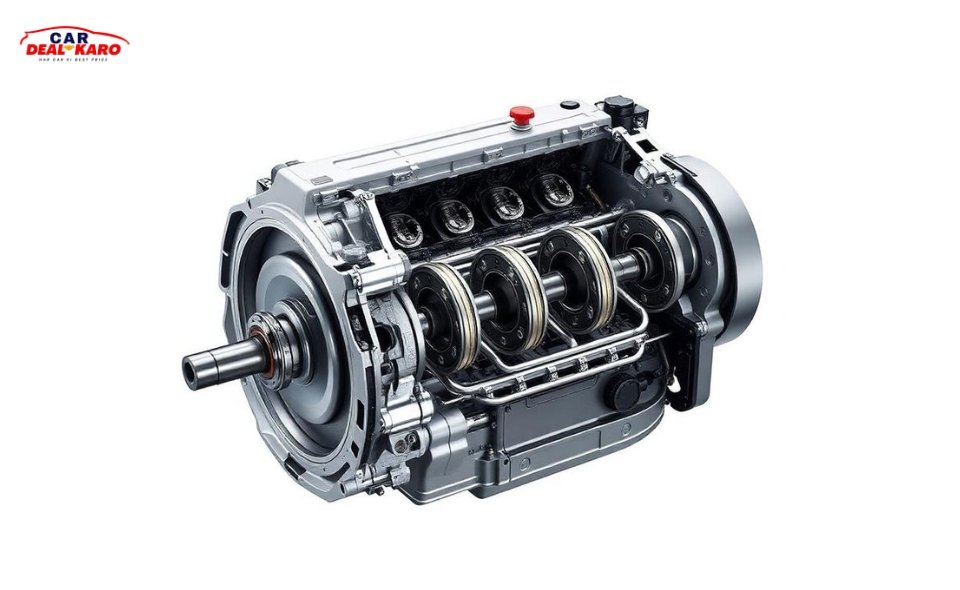
The engine is one of the most important parts of a used car. A clean engine bay does not always mean that the engine is in good condition. If possible, check the car when the engine is cold. Look for any oil or coolant leaks around the engine. Also check the engine oil, coolant, brake fluid, battery, and other visible parts.
While checking the engine, look for:
- Oil or fluid leaks
- Unusual engine sounds
- Damaged hoses
- Low fluid levels
- Battery condition
- Excessive smoke from the exhaust
- Unusual vibration
Start the car and listen carefully. If you hear knocking, rattling, or other unusual sounds, do not ignore them. If you do not know much about cars, it is better to take a trusted mechanic with you. A mechanic can find problems that you may not notice during a normal inspection.
3. Check the Odometer and Service History
The odometer tells you how many kilometres the car has travelled. But do not judge the car only by the number shown on the odometer. Ask the seller for the service history and check the available service bills and records. This will help you understand how regularly the car was serviced and maintained.
Look for details such as:
- Regular service records
- Engine oil changes
- Brake work
- Tyre changes
- Battery replacement
- Major repairs
- Insurance claims
- Other maintenance work
Also compare the odometer reading with the overall condition of the car. If the mileage seems unusually low but the steering wheel, seats, pedals, or tyres show heavy use, ask the seller for more details and check the service records carefully.
A proper service history is always a good sign because it gives you a better idea of how the previous owner looked after the car.
4. Take the Car for a Proper Test Drive
Never buy a used car without taking it for a test drive.
A car may feel fine while standing in a parking area, but you may notice problems once you drive it. Try to take a proper test drive on different types of roads where it is safe and allowed.
During the test drive, check:
- Engine performance
- Gear shifting
- Clutch
- Steering
- Brakes
- Suspension
- Acceleration
- Air conditioning
- Unusual sounds
- Vibrations
If you are checking an automatic car, see whether the gears change smoothly. In a manual car, check whether the clutch feels normal and the gears are easy to change. Also drive over a normal uneven road if possible. Listen for any knocking or rattling sounds from the suspension.
Notice how the car behaves while braking. If it pulls to one side or the steering wheel shakes, get the car checked before buying.
5. Check the Tyres and Brakes
Tyres are another important part that many buyers forget to check. If the tyres are old or badly worn, you may have to spend extra money soon after buying the car.
Check all four tyres for:
- Tread condition
- Uneven wear
- Cracks
- Bulges
- Tyre age
- Different tyre sizes
- Spare tyre condition
Uneven tyre wear can sometimes point to problems with wheel alignment, suspension, or other parts. You should also check the brakes during the test drive. The brakes should work smoothly without making unusual sounds. If the brake pedal feels too soft, the car takes too long to stop, or the steering wheel shakes while braking, get the brakes checked by a mechanic.
6. Check the Interior and Electrical Features
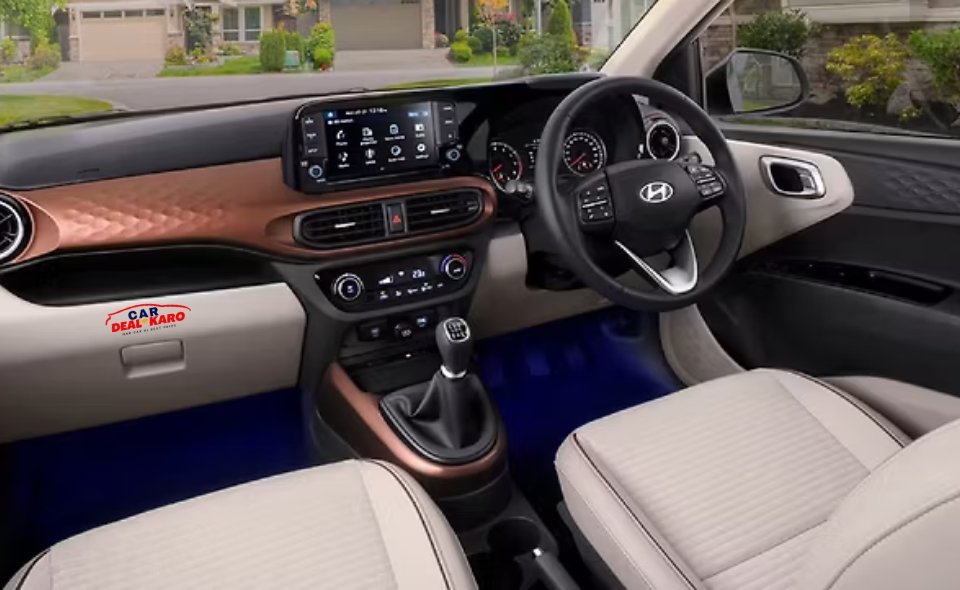
After checking the outside, take a good look at the inside of the car. The interior can tell you a lot about how the car has been used.
Check the condition of:
- Seats
- Dashboard
- Steering wheel
- Door panels
- Seat belts
- Floor mats
- Windows
- Central locking
- Infotainment system
- Reverse camera
- Parking sensors
- Air conditioning
Do not just look at these features. Try them one by one.
Turn on the AC and check whether it cools properly. Test the power windows, headlights, indicators, horn, wipers, mirrors, music system, USB ports, and other features available in the car.
Also check the warning lights on the dashboard. Some warning lights appear when you start the car and then turn off. That is normal. But if an important warning light stays on, ask the seller about it and get it checked.
7. Check All the Car Documents
Documents are just as important as the condition of the car.
Before buying a used car, ask the seller to show you all the important documents. Do not complete the deal only on the basis of verbal promises.
Important documents include:
- Registration Certificate (RC)
- Valid car insurance
- Pollution Under Control (PUC) certificate, where required
- Service records
- Ownership-related documents
- Loan or hypothecation details, if applicable
Check whether the registration number, chassis number, engine number, and owner’s details match the documents. If the car had a loan earlier, make sure the loan has been cleared and the required hypothecation-related process has been completed.
You should also make sure that the ownership transfer is completed through the proper process after the purchase. If you are not sure about any document, do not take a risk. Verify the details through the proper official process or take help from someone who understands vehicle documents.
8. Check Accident and Insurance History
A used car can look almost new even after a major repair. This is why it is important to know about the car’s past. Ask the seller directly whether the car has ever been involved in an accident or had a major insurance claim.
Look for signs such as:
- Different paint shades
- Repainted body panels
- Uneven panel gaps
- Replaced headlights or tail lights
- Welding marks
- Signs of body repair
- Fresh underbody work
Not every repaired part means the car is bad. Small scratches or minor dents are common. But major accident damage, especially damage to important structural parts, needs more attention. If you find signs of a serious accident, get the car checked by an experienced mechanic before making any decision.
Where possible, also check the available insurance and claim history of the vehicle.
9. Compare the Car’s Price With Similar Cars
Do not decide whether a used car is a good deal just because the seller has offered a low price. Before buying, compare the car with similar models available in the market.
Check factors like:
- Car model
- Manufacturing year
- Variant
- Fuel type
- Transmission
- Kilometres driven
- Number of previous owners
- Overall condition
- Service history
- Location
Two cars of the same model and year can have different prices. One may have lower kilometres, better service records, fewer owners, or better overall condition.
So, spend some time checking similar used cars online. This will help you understand the current price range and give you a better idea while negotiating with the seller.
Also remember that the cheapest car is not always the best car. A car that costs a little more but has a clean history and good maintenance may save you money later.
10. Get the Car Checked by a Mechanic
Even if everything looks fine to you, getting the car checked by a mechanic before buying is a smart step.
A good mechanic can check parts that a normal buyer may miss, including:
- Engine
- Transmission
- Suspension
- Brakes
- Steering
- Underbody
- Electrical system
- Cooling system
They can also tell you if any major repair may be needed soon.
This inspection may cost you some money, but it can save you from a much bigger repair bill later. If a seller does not allow you to get the car inspected by a mechanic, take it seriously. You should always have enough time to check a used car properly before making the final payment.
Final Thoughts
Buying a used car can be a good decision when you take the time to check it properly. You should never make your decision only by looking at the car’s appearance or the price.
Before buying, check the body, engine, service history, tyres, brakes, interior, electrical features, documents, accident history, and market price. Most importantly, take the car for a proper test drive and get it checked by a mechanic. Remember, spending a little extra time before buying can save you from unexpected repair costs later.
If you are planning to buy a used car, compare different cars, check their condition and documents, and choose the one that fits your budget and needs. With proper checking and a little research, buying a second-hand car can be a much easier and safer experience.

